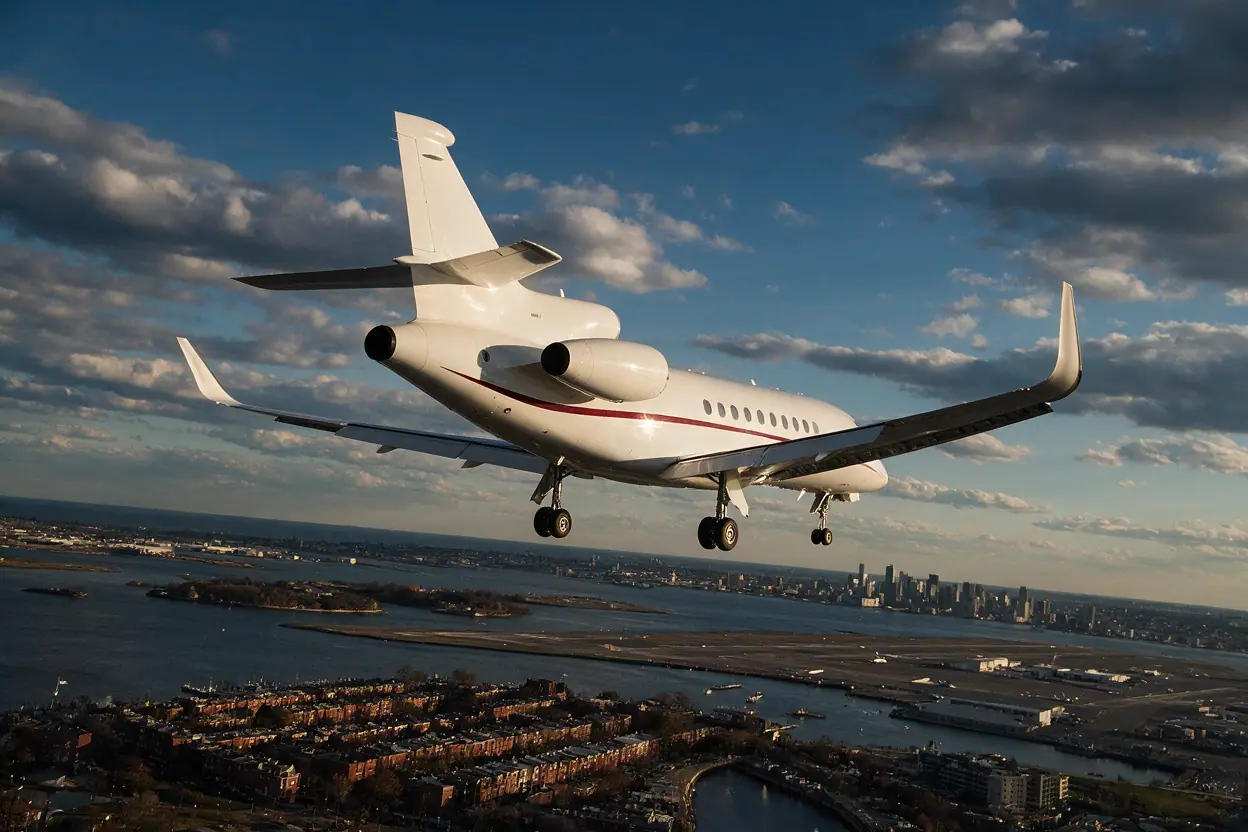
Private jet pricing Boston
Private jet pricing Boston comes down to aircraft class and airport. A light jet to New York runs about $4,000 to $6,000 for the 158-nautical-mile trip. Your final quote also reflects date, passenger count and ground time.
- 1airport
- 1priced routes
- $4,000–$6,000New York → Boston, light jet
- Home
- Boston
Most Boston charters start at Laurence G Hanscom Field (KBED), the reliever airport west of the city in Bedford. Its longest runway is 7,011 feet and its elevation is 133 feet, which matters little in January but does shape summer performance. On a July afternoon the density altitude at Hanscom is typically around 1,800 feet; on a 115-degree day it can reach 2,400 feet. That is still comfortable for the light jets and turboprops that handle most regional runs, and the FBOs on the field handle the rest of the logistics.
The routes out of Boston split into short regional hops and longer transcontinental or transatlantic legs. New York is the textbook short hop at 158 nautical miles, flown in about 41 minutes in a light jet or midsize. Longer trips need larger cabins and more fuel, and the hourly rate climbs with the class: turboprops at $2,200 to $3,500 per hour, light jets at $3,800 to $5,800, midsize at $5,200 to $7,800, super-midsize at $7,200 to $10,000 and heavy jets at $9,500 to $14,500. The class you pick sets the floor for the quote.
What changes the price in Boston is often the calendar. July and August average 84 and 82 degrees, and the wet days cluster in the warmer months, with 13 wet days in July and 12 in June. Summer weekends and the weeks around major events tighten the local fleet, so booking early helps. Winter weather can reroute a flight or add deicing time, and international legs add customs clearance at the arrival airport. A charter broker quotes the trip; the flying itself is done by FAA Part 135 operators who hold operational control.
Airports serving Boston
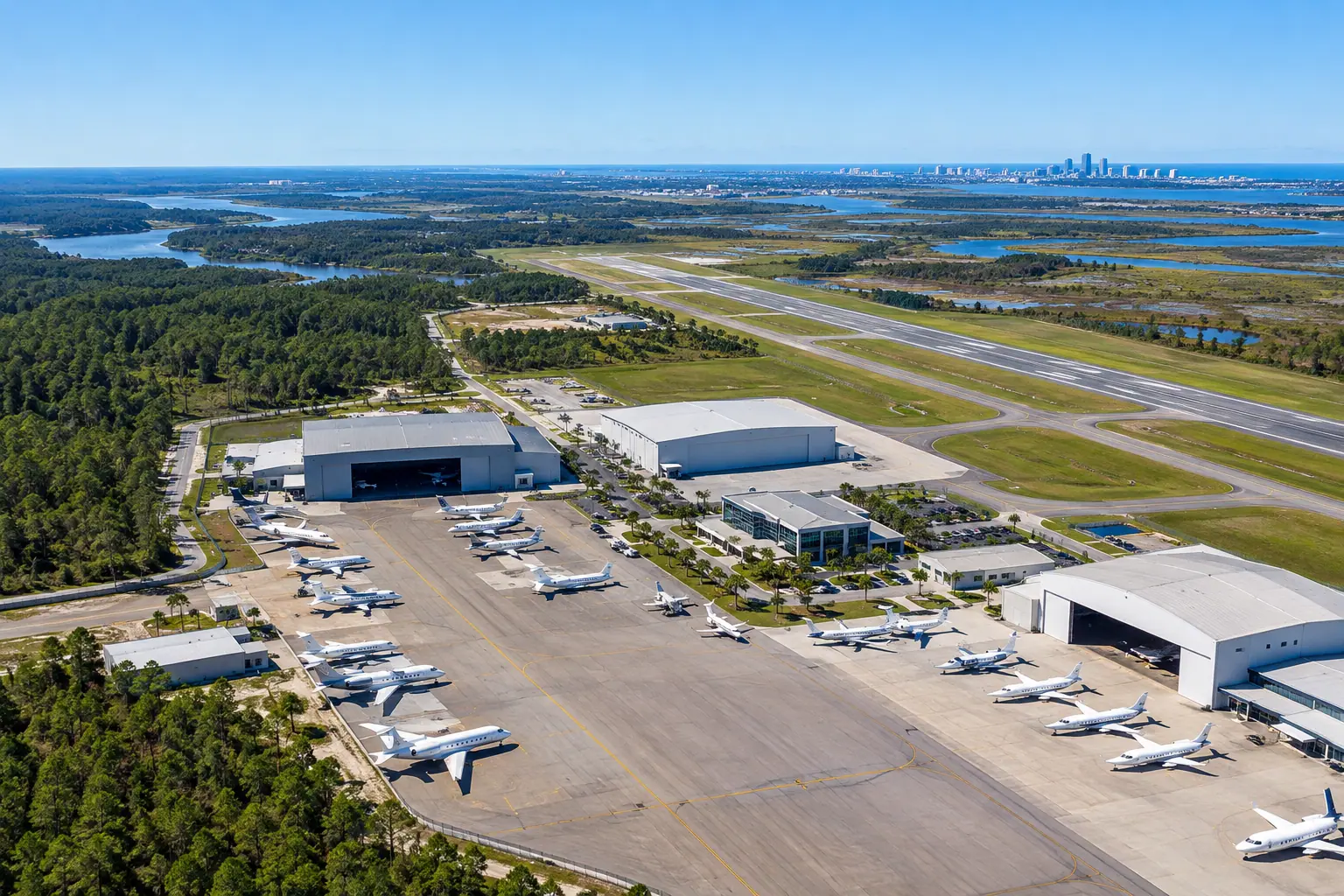
How to price a charter from Boston
Name the airport and the date
Hanscom Field is the default for most Boston departures, but the date drives availability. A Friday in July is a different market from a Tuesday in November, so give the broker both.
Match the aircraft class to the trip
A 158-nautical-mile New York run suits a light jet at $4,000 to $6,000 or a midsize at $5,000 to $8,000. Longer legs call for super-midsize or heavy jets, and turboprops make sense on short regional hops where the cabin size fits.
Ask what the estimate includes
A good quote separates hourly flight time, landing and handling fees, crew and fuel. When you compare two prices, ask whether both cover the same ground time and the same fees.
Confirm the operator and the paperwork
Your broker arranges the flight as an agent under DOT Part 295, and the operating certificate belongs to the Part 135 operator. For a international leg, CBP clearance is part of the plan and should appear in the quote.
What routes from Boston cost
The New York to Boston route is the clearest benchmark for private jet pricing Boston travelers can compare: 158 nautical miles, about 41 minutes in a light jet or midsize. A light jet runs $4,000 to $6,000, a midsize $5,000 to $8,000 and a heavy jet $9,500 to $14,500, with the heavy jet saving only a couple of minutes. The light jet estimate of $4,000 to $6,000 fits the 158-nautical-mile New York run from Hanscom Field. These are estimates, not published fares, and they move with fuel, crew duty time, day of week and how long the aircraft waits on the ground. A round trip with a overnight stay prices differently from a same-day turn, and the empty leg back to base is part of the math. When you compare quotes, ask for the same aircraft class and the same ground time, or the numbers will not line up.
| Route | Light jet | Midsize | Heavy |
|---|---|---|---|
| New York → Boston | $4,000–$6,000 | $5,000–$8,000 | $9,500–$14,500 |
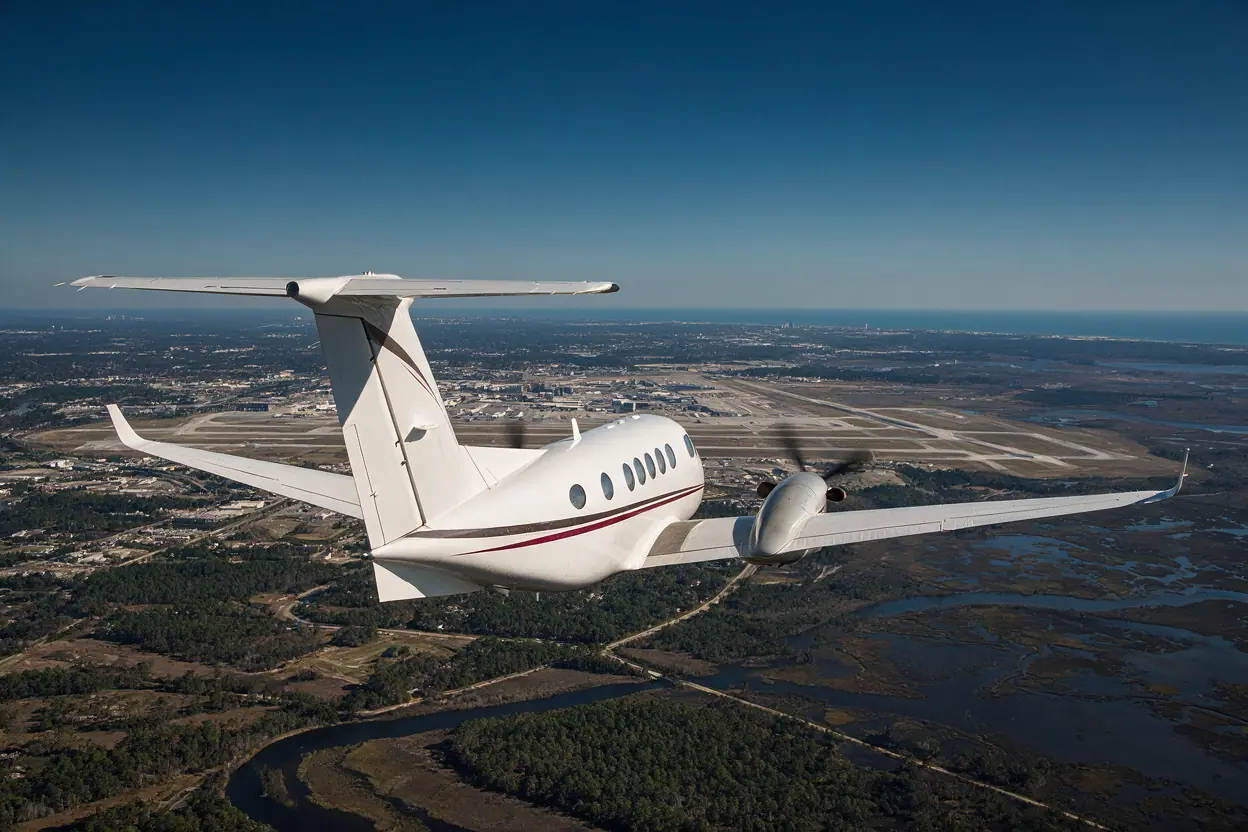
Local considerations at Hanscom Field
Hanscom Field sits in Bedford, west of Boston, with four FBOs on the field and a 7,011-foot runway that handles the classes most Boston travelers book. In July the density altitude at Hanscom averages about 1,800 feet, and at 115 degrees it reaches 2,400 feet, which is well within the performance of light and midsize jets. The field's 133-foot elevation is modest, and the summer heat is the variable that matters most for takeoff distance. Weather drives the rest: the wet days peak at 13 in July and 12 in June, and winter storms can shift a departure or add deicing time. Boston travelers who book early for July and August, when highs average 84 and 82 degrees, see more aircraft choices because the local fleet is busiest then. If your trip is international, plan for CBP clearance at the arrival airport and confirm the documents before the quote is final.
| Month | Avg high | Wet days |
|---|---|---|
| Jan | 37°F | 10 |
| Feb | 39°F | 11 |
| Mar | 46°F | 11 |
| Apr | 56°F | 12 |
| May | 68°F | 10 |
| Jun | 77°F | 12 |
| Jul | 84°F | 13 |
| Aug | 82°F | 10 |
| Sep | 75°F | 9 |
| Oct | 63°F | 10 |
| Nov | 51°F | 9 |
| Dec | 41°F | 10 |
Estimate a trip
Choose a route, travelers and luggage to see the matching class, flight duration and a price range.
Questions
What is private jet pricing Boston travelers can expect for a New York hop?
A light jet on the 158-nautical-mile New York to Boston route typically runs $4,000 to $6,000, and a midsize $5,000 to $8,000. The flight takes about 41 minutes. A heavy jet at $9,500 to $14,500 saves only a couple of minutes, so the class premium buys cabin, not speed. Treat all figures as estimates that move with date, ground time and fuel.
Which airport do most Boston charters use?
Laurence G Hanscom Field (KBED) in Bedford is the usual departure point, with a 7,011-foot runway and four FBOs on the field. Its 133-foot elevation and July density altitude of about 1,800 feet suit light and midsize jets, and at 115 degrees that figure can reach 2,400 feet. The airport's position west of the city keeps ground time short for most travelers.
How much does a turboprop cost per hour from Boston?
Turboprops run $2,200 to $3,500 per hour, with cruise speeds around 300 knots and seating for 6 to 8 passengers. They suit short regional hops where a jet's speed buys little. On a 158-nautical-mile trip the difference in block time is small, so the turboprop can be the lower-cost choice for the same mission.
Does summer weather change the price in Boston?
It can. July and August average 84 and 82 degrees, and July has 13 wet days, so afternoon storms can delay or reroute a flight. Density altitude at Hanscom reaches about 1,800 feet in July. Winter brings deicing and storm reroutes. When weather tightens the schedule, booking earlier and keeping a flexible departure window helps hold the estimate.
Who operates the flight and who arranges it?
The flight is flown by an FAA Part 135 operator that holds operational control and the operating certificate. Your broker arranges the trip as an agent under DOT Part 295 and does not own the aircraft. For international legs, CBP handles clearance at arrival. Ask for the operator's name and certificate before you book.
How do I compare charter quotes fairly?
Ask each quote to name the aircraft class, the airport, the date and the ground time, and to separate hourly flight time from landing, handling and crew fees. A light jet at $4,000 to $6,000 and a midsize at $5,000 to $8,000 only compare when both cover the same trip. Use a cost estimator to line up classes, then confirm the operator and the inclusions.