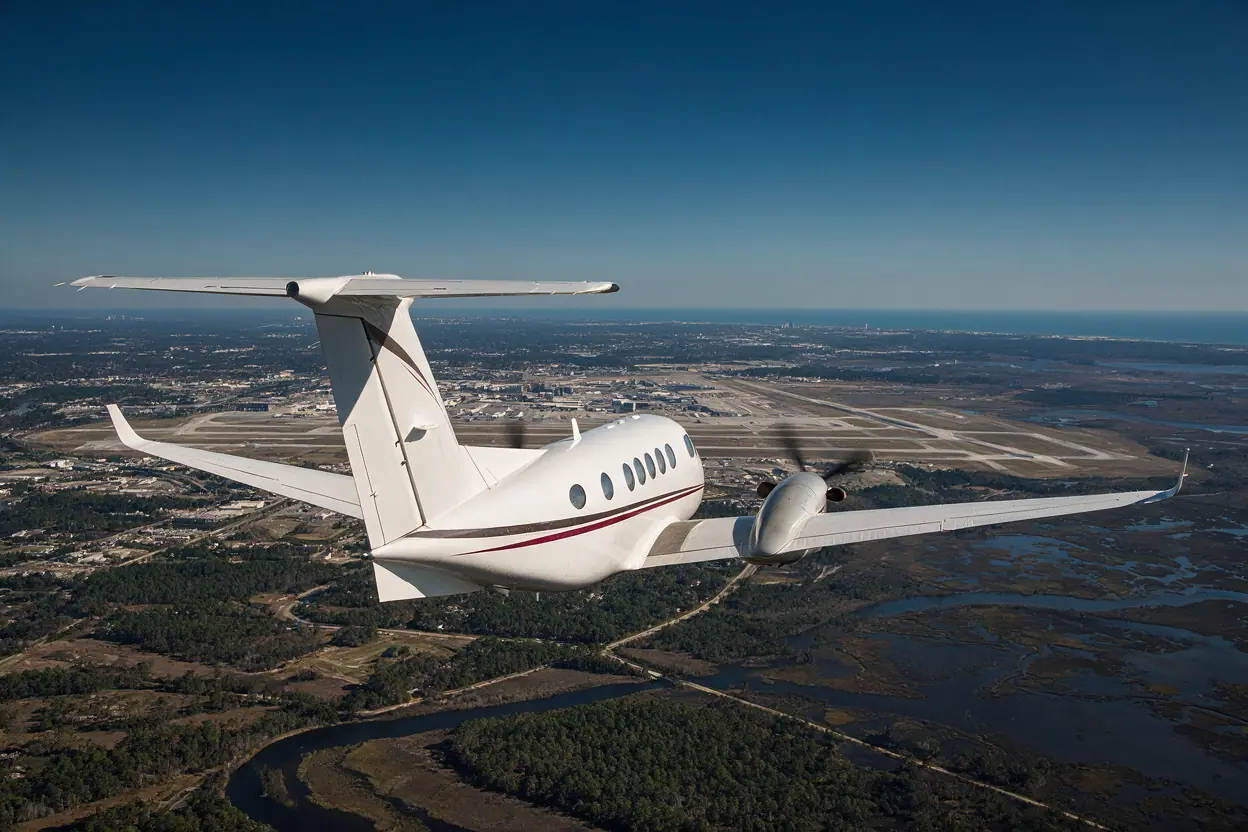
Private jet pricing Denver
Private jet pricing Denver starts with the aircraft class you pick. Turboprops run $2,200 to $3,500 per hour, while heavy jets reach $14,500. Centennial Airport sits at 5,885 feet, so density altitude shapes which jets can fly.
- 1airport
- 0priced routes
- Home
- Denver
Denver charter pricing begins with Centennial Airport (KAPA), the main general aviation field south of the city. At 5,885 feet elevation and with a longest runway of 10,001 feet, it handles most light and midsize jets without trouble. Summer heat is the variable: density altitude can climb to 9,200 feet in July and 9,800 feet at 115 degrees, which trims payload on smaller aircraft. When the mercury hits 115 degrees, a light jet may need a payload cut or a bigger class.
Typical routes from Denver run to mountain and business destinations rather than long transcons: Vail and Aspen for ski season, Las Vegas for the desert, Los Angeles for meetings, and Dallas or Chicago for corporate travel. The hourly ranges apply the same way across these trips, but the shorter the flight, the more the fixed costs of crew and airport fees weigh on the total. On a Denver-to-Vail flight, the per-hour number matters less than the minimum billing.
What changes availability and price here is aircraft performance at altitude plus season. Spring and summer afternoons create convection and afternoon density altitude peaks, so operators often schedule mountain departures in the morning. If your group is heavy on bags or people, then a midsize may be the practical choice even when a light jet looks cheaper on paper. Because July density altitude averages 9,200 feet, midsize jets price out as the realistic pick for full cabins.
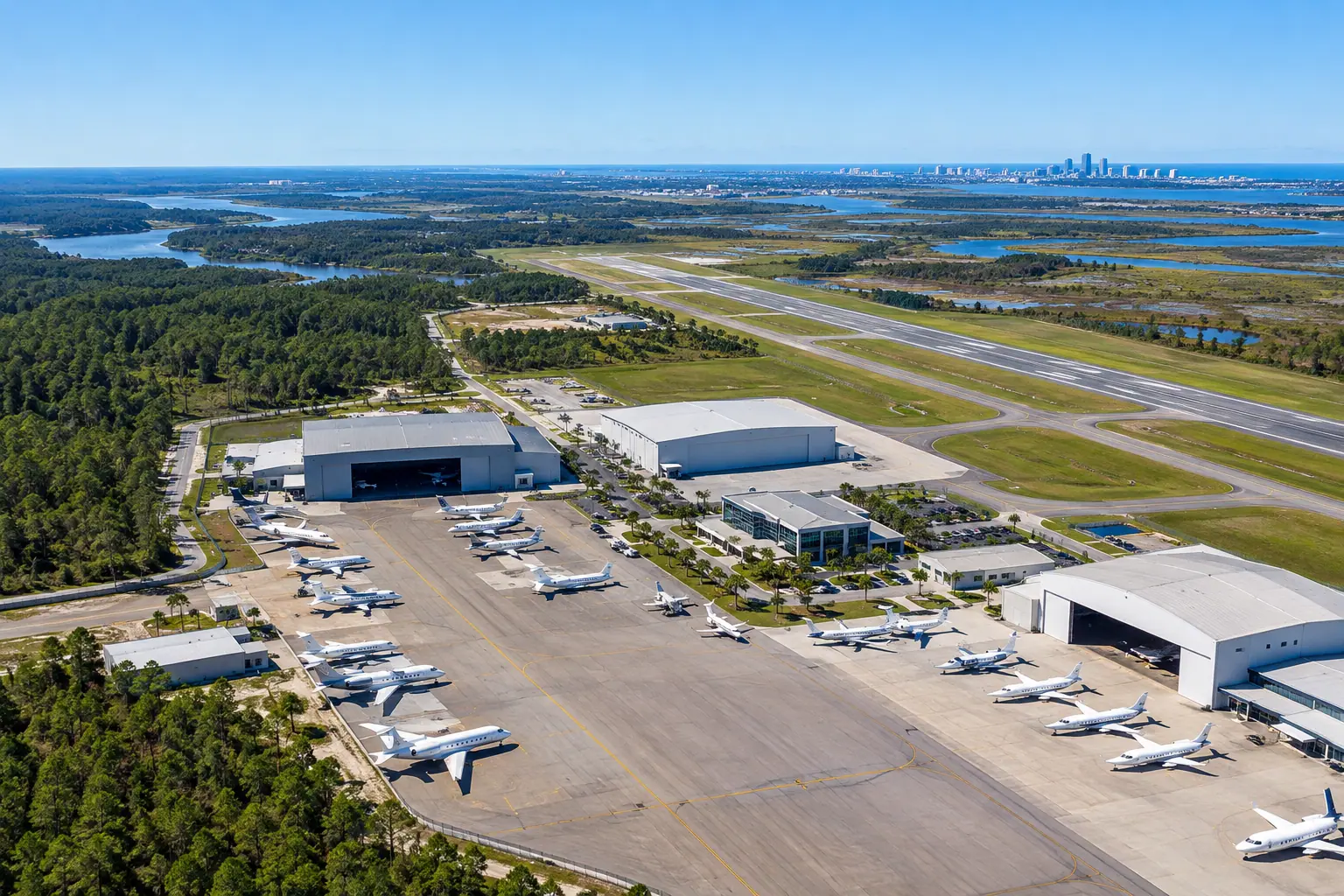
Airports serving Denver
Private jet pricing Denver quotes
Set the trip and the airport
Confirm your destination and whether Centennial works for your side of town. KAPA is south, close to the tech corridor and the mountains. If your party is large and the forecast is hot, then start the shortlist at midsize and above.
Choose a class that fits the day
A light jet covers four to seven passengers at $3,800 to $5,800 per hour. A midsize adds cabin space and hot-day performance for seven to nine passengers at $5,200 to $7,800 per hour. For hot July departures from Centennial, the midsize jet often prices out as the safer bet.
Request quotes and compare the full number
Charter brokers act as your agent under DOT Part 295 and arrange flights with FAA Part 135 operators, who hold operational control. Ask for the all-in quote: hourly, crew, landing fees, and any mountain-airport surcharges. When you compare two quotes, check whether crew overnight and landing fees sit inside the total.
Confirm details before you fly
For international legs, CBP clearance applies. Give the operator passenger names and weights, since they affect payload calculations on high-density-altitude days. Reconfirm the schedule the day before if summer storms are forecast.
Centennial altitude and your quote
Centennial Airport's 5,885-foot elevation is the local fact that most shapes charter pricing. Because the field sits at 5,885 feet, the same jet carries less payload on a hot afternoon than it would at sea level. July density altitude averages 9,200 feet, and at 115 degrees it can reach 9,800. Operators account for that in fuel and passenger limits, and occasionally in the aircraft they assign. If you are flying in summer with a full cabin, then plan for a midsize or larger. The airport's three FBOs handle the ground side, and its 10,001-foot runway accommodates the larger classes when needed. Spring brings the most wet days, eight in April and twelve in May, so build a little slack into mountain departures.
| Month | Avg high | Wet days |
|---|---|---|
| Jan | 41°F | 5 |
| Feb | 41°F | 8 |
| Mar | 49°F | 8 |
| Apr | 59°F | 8 |
| May | 69°F | 12 |
| Jun | 83°F | 8 |
| Jul | 88°F | 6 |
| Aug | 87°F | 6 |
| Sep | 80°F | 6 |
| Oct | 67°F | 4 |
| Nov | 53°F | 5 |
| Dec | 46°F | 5 |
Estimate a trip
Choose a route, travelers and luggage to see the matching class, flight duration and a price range.
Questions
What is private jet pricing Denver for a light jet?
Light jets run $3,800 to $5,800 per hour. That class seats four to seven passengers and has a typical range of 1,400 nautical miles, which covers most mountain and regional routes from Centennial. The quote is an estimate, and crew time, landing fees and hot-day performance can move the final number. Ask for the all-in figure rather than the hourly alone.
How much does a heavy jet charter cost from Denver?
Heavy jets run $9,500 to $14,500 per hour and seat ten to fourteen passengers with a typical range of 4,000 nautical miles. They are the choice for transcontinental trips or larger groups. Expect the final price to include crew, fuel and airport fees, and confirm that Centennial's 10,001-foot runway suits the specific aircraft before you commit.
Does density altitude change the price at Centennial Airport?
It can. Centennial sits at 5,885 feet, and July density altitude averages 9,200 feet, reaching 9,800 at 115 degrees. On those days some light jets face payload limits, so an operator may assign a larger aircraft or restrict baggage. If your group is at the top of a light jet's range, then a midsize quote may be more realistic.
Which airport is used for Denver private flights?
Centennial Airport (KAPA) is the main general aviation field, with a 10,001-foot runway and three FBOs. Its 5,885-foot elevation is the highest among major Denver-area options. For mountain departures, morning slots are common in summer because afternoon heat raises density altitude. Give the operator accurate bag and passenger counts so the payload math holds.
How does a charter broker work with operators?
A broker arranges the flight as your agent under DOT Part 295. The flight itself is provided by an FAA Part 135 operator that holds operational control, including crew and maintenance. Ask who the operator is and confirm the quote covers crew, fuel and fees before you book. For international legs, CBP clearance is handled on the operator's schedule.
Can I charter a turboprop from Denver?
Yes. Turboprops run $2,200 to $3,500 per hour, seat six to eight and have a typical range of 1,500 nautical miles. They suit shorter regional trips and can be efficient on mountain routes. Performance at 5,885 feet still matters, so give the operator accurate passenger and bag counts and expect a payload review on hot days.